"21 grammi" By Giuseppe Cucè
By Mariam Jibril
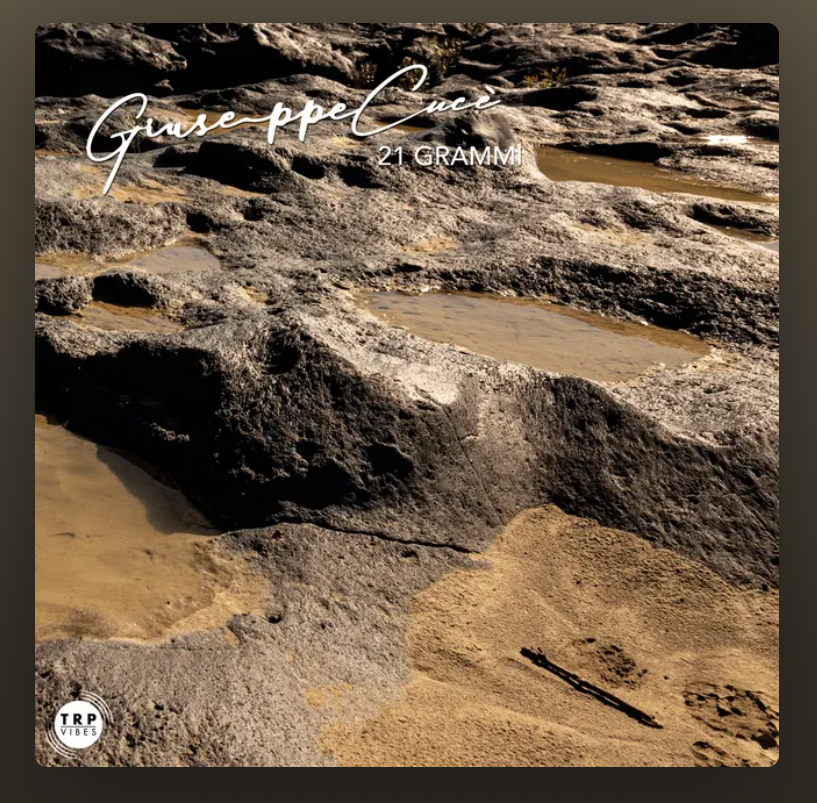
The journey of Giuseppe Cucè is as intricate as his music. He was born in Catania on September 8, 1972. His first encounter with art was not music, but rather painting and contemporary dance. These disciplines helped him attain a strong sensibility to emotions, movement, and inner conflict. He then realized this cross-disciplinary exploration of artistic identities had led him to songwriting and composition as the truest form of his artistic expression. Cucè has collaborated with a highly selective group of musicians over the years, including producer Riccardo Sanperi, percussionist Francesco Bazzano, guitarists Antonio Masto and Edoardo Musumeci, and cellist Alessandro Longo. This prevailing creative collaboration is easily recognizable throughout the album "21 grammi," which feels more like a culmination of extensive years of artistic exploration than a debut album.
21 grammi can be described, among other things, as alternative singer-songwriter music with influences from cinematic pop, orchestral folk, and Mediterranean and Latin-rooted atmospheres. With its warm analog elements and compositions that capture quiet emotional urgency, È tutto così vero offers a captivating opening to the album. Following suit with similar narrative structures and emotional archetypes, songs like Ventuno and Dimmi cosa vuoi favor mood, imagery, and emotional melodic arcs over immediate commercial hooks. Built around real instruments, the intentional organic production of strings, Hammond Organ, acoustic guitar, and piano, as well as silences, and dynamic layers, offers the audience an active listening experience.
The conceptual focus of the unity of lyrics found on 21 grammi stems from identity, transformation, and the symbolic weight of the soul. This is what makes each of the emotional arcs of the songs on the album feel like a chapter of a novel, with each experiencing elements of doubt, vulnerability, longing, and ultimately, acceptance. Emotional instability is sometimes poetic and distanced, as explored in Fragile equilibrio and Cuore d’inverno, while motivational and idealized (but free from romantic excess) reflections on desire in La mia dea and Tutto quello che vuoi are lacking romantic excess. From the emotional distances he creates in his lyrics, he invites reflections and ultimately, meanings from each listener, extending his trust to the audience, and offering closure as an alternative to definitive answers.
Giuseppe Cucè, in utmost performances, is showcasing both control and intimacy. Cucè's voice is not one of supreme power. He guides, confesses, and observes. He exerts emotional control in the tracks, like in Una notte infinita, where emotional tension is articulated through phrasing and not through dramatic crescendos. This is emotion unsaid, thus reaffirms the message of the album. The final track, Di estate non si muore, wishes for change and inspires the listener to feel the album closing the circle of the narrative.
In the culture of digital immediacy, 21 grammi is the result of deliberate and slow artistic practice. 21 grammi is effective with its storytelling, atmosphere, and emotional authenticity instead of focusing its efforts toward the like culture of the digital era. 21 grammi is accessible in all major streaming services like Apple Music, Spotify, and Amazon Music, and is accompanied by visuals and a guided acoustic set. For the consumer to reconnect with music, to listen in a deep way, and to experience a focused immersion of music, the album invites the listeners to do so. If you like the sonic landscape and the patience investing in albums, the album is worthy of your time and focus.