FAIR
By By Kizita
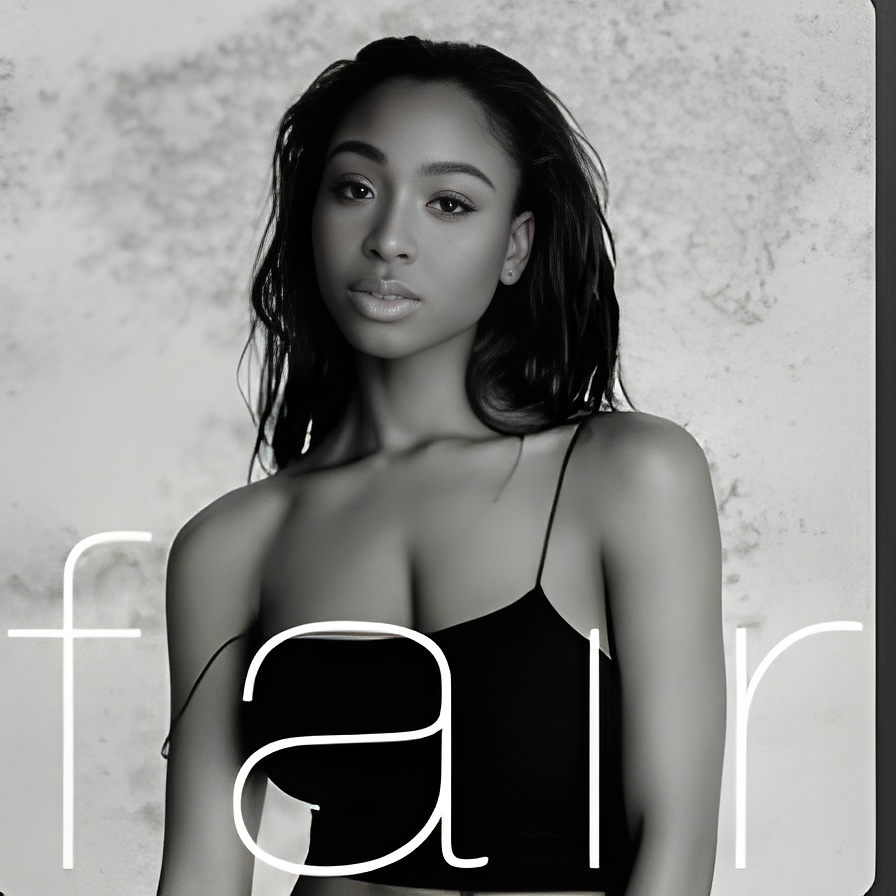
With “Fair,” Normani invites listeners into what she calls one of her “most vulnerable moments.” The downtempo R&B track is a notable shift from the artist’s usual high-octane visual spectacle, choosing instead to spotlight emotional rawness at least on the surface. Known for her immaculate choreography and tightly curated public persona, Normani has long walked the line between fierce independence and enigmatic distance. In an era where artists are increasingly expected to open up their inner worlds through oversharing and self-disclosure, Normani has largely resisted the trend, cultivating an aura of mystique reminiscent of Janet Jackson and early Beyoncé. “Fair,” in this sense, feels like an attempt to bridge the gap to reveal the woman behind the icon, even if only momentarily.
The song adheres to the conventions of contemporary R&B balladry. Built on a steady heartbeat pulse, soft chords, and ambient layers, the track creates a soundscape that’s meant to evoke intimacy and melancholy. Normani’s vocals glide delicately over the production, and a chorus of breathy “oohs” adds a ghostly, almost ethereal texture to the mix. There’s a fragility in her performance that suggests a desire to connect emotionally. But for all its atmospheric intention, the song often feels too pristine to fully embody the heartbreak it describes. The polished production, while sonically pleasing, creates a kind of emotional barrier, placing the listener at a remove from the rawness Normani is aiming to share.
“Fair” touches on the sting of post-breakup imbalance, the ache of watching someone move on while you’re still stuck in emotional limbo. It’s a relatable sentiment, particularly within the R&B canon, which has long specialized in the nuances of romantic vulnerability. Yet what sets the best heartbreak ballads apart is their ability to make a listener feel like they’re inside the moment, reliving the ache themselves. Here, Normani narrates pain without fully embodying it. The result is a song that articulates emotion but doesn’t quite make it visceral. The glossy production and understated arrangement smooth over the jagged edges, leaving behind a song that sounds more like a beautiful idea of heartbreak than heartbreak itself. That’s not to say “Fair” lacks merit; it’s a well-executed track with moments of subtle beauty. Normani’s vocal control is impressive, and her restraint is commendable in a genre that often leans into vocal theatrics.
But the very elements that make her performance poised also contribute to its emotional detachment. In trying to maintain artistic control, Normani never quite lets the mess seep in. There’s no real crescendo of pain, no lyrical twist that catches the breath, just a soft, steady pulse of sadness that’s elegant but emotionally muted. “Fair” feels like a step toward vulnerability rather than a full embrace of it. It gestures at intimacy without fully collapsing into it. For an artist as fiercely private and image-conscious as Normani, that may be a meaningful gesture in itself. But listeners craving a deeper, messier catharsis might find themselves left wanting. The track offers a glimpse into the emotional terrain Normani is beginning to explore, but the view, however lovely, remains just out of reach. As she continues to evolve, one hopes she’ll find the confidence not just to show pain, but to let us feel it with her.