HAYFEVER
By Mariam Jibril
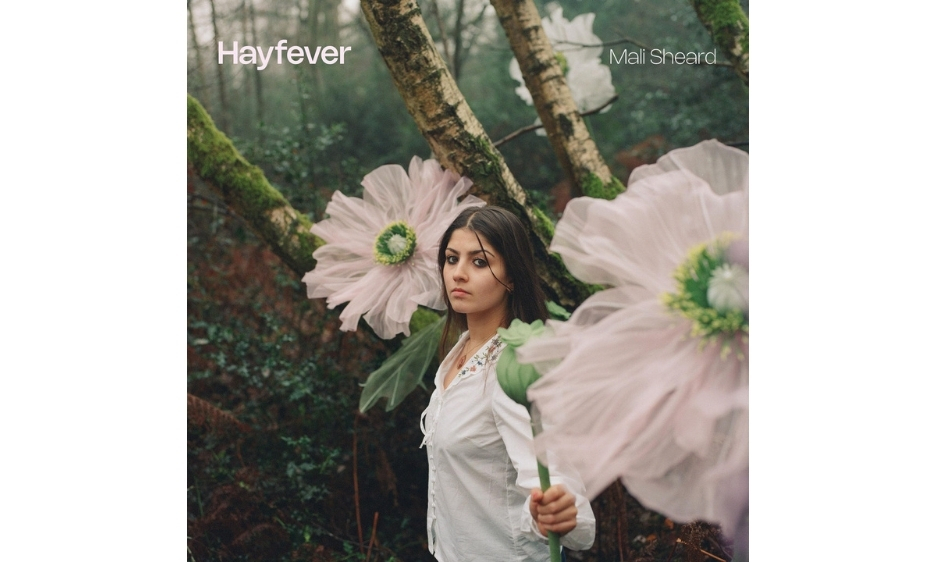
Mali Sheard’s Hayfever captures the exotic and atmospheric feelings that inspire the composition. The track moves from the darker and drearier sections of the storm to variations that include folksy movements mixed with lyrical, improvisational sections of the track. This track is a great way to be introduced to the great alto saxophonist and composer Sheard. Her track captures the heat and excitement of a summer storm. Rather than focusing on her technical prowess, Sheard captures the inventive spirit of the storm’s emotion through cartography and expressive cinematic sections.
The track starts in a darker, drearier, more brooding atmosphere. The ensemble adds texture with layers that build suspense. There is an expectation of something that is going to happen, and the interesting part of this track is that Sheard holds off on releasing the suspense. Instead, the track development and the composition unfold and allow for dynamism in the narrative. The harmony is innovative, and so are the other elements. Keira Chakraborty’s flute and the ensemble of George Balmont’s bass, Kyle Osborne’s piano, and Luke McCarthy’s drums, along with Rob Luft’s guitar, add texture to the composition and support Sheard’s voice.
The way the mood shifts in Hayfever is captivating. The composition can seem to be grounded in its opening mood, but then a folk-dance passage, not unlike other movements, is introduced. This passage contains a level of spontaneity and movement that seems to capture the mood of the composition and then builds into a dual-toned, rapidly coursing anthem. The folksong melody does not seem forced. Rather, the composition shows the unpredictability of its inspiration, the mood of the ever-changing weather. The alto of Sheard seems to reach out from within the foliage of the gathered ensemble to communicate with a strong and confident voice. Though there are no lyrics, the saxophone expresses and conveys each emotion and each phrase of the changing weather scenery.
Luft’s guitar and the flute of Chakraborty also create a calm pastoral sound in the composition. These sounds extend the compositional boundaries with thin sonic landscapes. Sheard's strength as a composer is apparent here. Her knowledge is not in individual solos, but in the voicings of the scattered solos as a composition. The ensemble is seemingly in the spirit of cooperation, and ideas are passed from instrument to instrument. The recording captures the spirit, and in the balance of blues and jazz, each detail is allowed to be heard without losing focus. The result is contemporary jazz that is neither inaccessible nor lacking in spirit.
As its title suggests, Hayfever encapsulates several emotions. In its use of the imagery of a thunderstorm, Hayfever captures the process of tension and release and the emotions of uncertainty and excitement. The opening of the song can feel restless, but the closure feels liberating and energetic. This emotional journey of the song is what gives the song its value. Make no mistake, Hayfever is a refreshing contribution to modern music. As blurred lines define genres today, Sheard takes inspiration from Jazz, melodic folk, and atmospheric sound, and presents an original creation. The song is imaginative, but retains its instant appeal. Hayfever is a well-written song that captures emotion and inspires the imagery of an unpredictable, wide-open space. Hayfever is a great addition to the modern jazz genre for those who enjoy playing a song on repeat. It fuels a strong emotional response and is worth listening to and admiring for its atmospheric and imagery-driven modern jazz sound.