AN UNEXPECTED PLEASURE
By Mariam Jibril
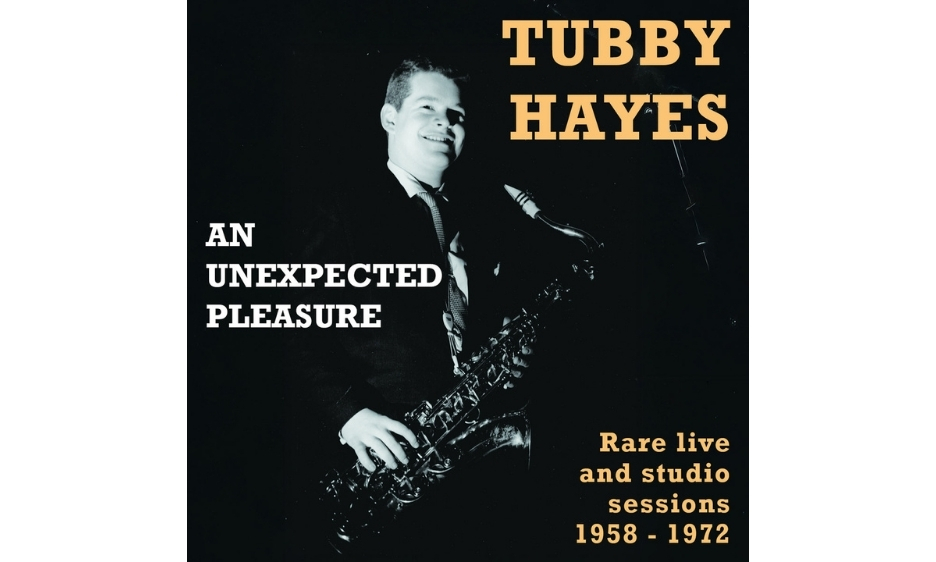
Tubby Hayes did not make a name for himself with a lack of embellishment. Hayes' career established him as the go-to guy for quick and fast jazzy solos. This track, An Unexpected Pleasure, captures Hayes' more reflective and emotionally rich side, evidence of the darker side of his personality. This track is from a collection of previously unheard BBC radio sessions from Jazz In Britain. This track showcases where Hayes was in his career, transforming his master class of virtuoso performances into one of meditation and introspection. This track showcases that he was a great player and that he was capable of performing music in a way that was emotionally driven. An Unexpected Pleasure starts out with a certain timelessness to it, with the structure of the song more focused on the melody than starting off with an in-your-face performance. The mood of the song slowly starts to sink into melancholia, and this is mainly due to the instrumental structure. In the song, Hayes sings with a more vocal quality over the band’s subdued performance. The song as a whole has a very informal performance feel as opposed to a finished studio recording. This is really due to the BBC Radio sessions in general being an informal performance of sorts.
There’s little to no singing or structured storytelling, but Hayes’ direct emotional communication here reflects that of an outstanding vocalist. His phrasing provides the melody with a humanity. The lines are almost immeasurably long, and each lingers with a purpose over every note. There’s a similar emotional weight to Mood Indigo, and the track carries a similar avoidance of melodic over-decoration and a toleration of an underlying sadness. Pyne halfway through the performance shifts the energy for a subtle change of pace. This allows Hayes to return to the heavier section of the melody. The greatest strength of the recording is the fact that the music communicates a sense of a lighter energy that is almost Fleeting, before the recording once again returns to its calm.
An Unexpected Pleasure is most compelling because of the context of the other recordings of Hayes. This was a British jazz icon, but these recordings are from a time of great personal and professional struggles. Other recordings from the time, like Lady Celia and Trenton Place, capture some of the reality of what these struggles were for Hayes. An Unexpected Pleasure goes beyond a top-notch jazz performance. Its quasi-contemplative nature is that of an artist at that time processing his reality through a palette of music and the poetry of a sound that is beautiful without ignoring the reality of darkness.
The track demonstrates why Hayes is such an important part of British Jazz history. Hayes demonstrates control of the tenor, but adapting a large technical language to a more emotional and less intense environment is the real feat here. Each note enriches the background, advancing the arrangement while maintaining both style and natural solidity. In the age of jazz, where the best players in the field can be overused and overly blown to promote the genre, this track is an example of how simple things can create an amazing effect when played with elegance, patience, and the right interaction. This track is designed to be appreciated as the genius of the player is.
An Unexpected Pleasure beautifully illustrates the range of Tubby Hayes in his art. This track removes the energy that made him famous and exposes depth. A track with thoughtful melancholy and some of the more emotional and reflective tenor playing is a standout track in this session of Jazz in Britain, part of his radio legacy. For people just discovering Hayes, this is a wonderful introductory track. For people already into jazz, this is a wonderful track to learn more and appreciate the range and depth Hayes has. Hopefully this track will have listeners reflecting on more profound art he created. An Unexpected Pleasure is understated, in that it’s a deep track that will reach the psyches of those who listen with the proper amount of patience.