PASSING THE CUP OF SORROWS
By Mariam Jibril
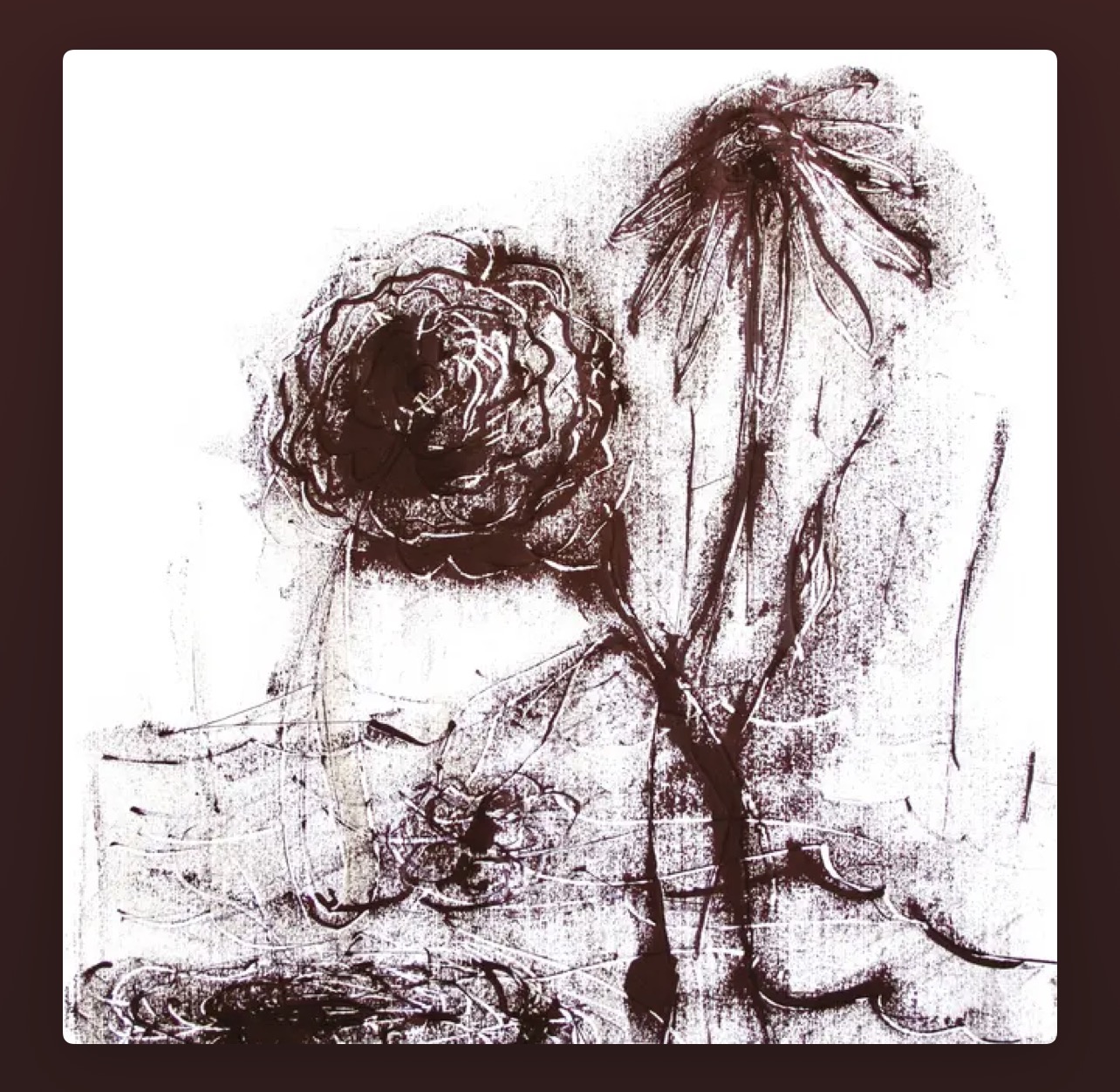
Exploring the relationship between time and memory and considering the fragility of all things has been the preoccupation of William Basinski’s career. Basinski has built an artistic identity through experimental sound, decaying tape, and compositions that draw on the everyday and ordinary to communicate the emotional. With Passing the Cup of Sorrows, Basinski draws the listener into another chapter on his journey, this time less preoccupied with destruction and more with beauty and forgiveness and the possibility of emotional renewal. The composition is long and patient with the artist and listener, allowing time for all things to breathe. Basinski eschews the cultural and emotional weight of his earlier work and instead presents a soundscape, small and intimate, patient and protective, and willing to consider the human condition. This work suggests Basinski is one of America’s finest composers.
One of the most interesting aspects of Passing the Cup of Sorrows is the relationship it has with the piano. The work sounds as though it’s being performed live, allowing notes and chords to be held as they are in a live performance. There is no rushing to a conclusion. The left hand establishes a foundation. A more delicate right hand floats above the foundation. A recording could easily be packed with many layers, but that is not Basinski’s intent. The spaces in the work are deliberately composed, and the spaces become a canvas for random electronic noise, drones, and atmospheric elements. These subtle details keep the work interesting and engaging, and offer a calmness that is deceptively shifting. It is as though the work is purposely steady and unchanging, but thousands of little details are moving about. This display of control and letting go makes the work both relaxing and intense at the same time. The meditative qualities evoked by the work conjure comparisons to Christian Zeal & Activity, which Basinski released years earlier and gained notoriety for, but in many ways this work feels more conventionally pleasant and calming.
The composition balances a poignant exploration of forgiveness and other spiritual matters. The title Passing the Cup of Sorrows is derived from the concept of past life regression. It proposes that souls return in between lives to resolve unfinished business, to reconcile, and maybe forgive. While this theory gives Basinski’s music a philosophical framework, he wisely does not manipulate the listening experience to infer that he wants to express a particular viewpoint. There are no guiding lyrics or vocals to channel the listener. The piano is the primary instrument and voice to communicate through repetition, hesitation, gradual harmonic shifts, and expression. Basinski’s piece transcends a simple truth. There are various shades of color, and often the music portrays images of great beauty and luminosity. Other times it becomes introspective and brooding. A melody that is often repeated, reaching up and then falling back, creates a haunting and hopeful image of dissolving into uncertain circumstances, especially when conditions seem beyond one’s control. Sometimes circumstances remain in doubt, and often it is at our souls’ behest that we allow ourselves to hope. Basinski includes a rich and textured droning background and often shifting tones to convey a sense of otherworldliness, a haunting presence, and a sense of foreboding. There is a great deal of experimentalism in Basinski’s work, which is anchored by an understated sense of warmth.
Passing the Cup of Sorrows is a rewarding listen for its ability to feel both monumental and deeply personal at the same time. Across its extended runtime, Basinski creates an environment where listeners are encouraged to slow down, surrender their expectations, and discover their own emotional connections within the music. There is a fascinating contrast between this composition and The Disintegration Loops, where the earlier work found extraordinary meaning in recorded sounds gradually disappearing, this piece seems to find meaning in musical moments that remain suspended, almost untouched by the passage of time. That distinction gives the composition a special kind of intimacy. In a contemporary music landscape often driven by immediate hooks, compressed arrangements, and constant stimulation, Basinski reminds us that patience can be an artistic strength. Passing the Cup of Sorrows is a beautiful achievement from a composer who continues to find new ways of making simplicity feel profound. It deserves attention from admirers of ambient music, experimental composition, and anyone seeking music that offers more than background entertainment. For listeners willing to give it their time, this is an experience worth sitting with, absorbing, and returning to.