STAR
By Mariam Jibril
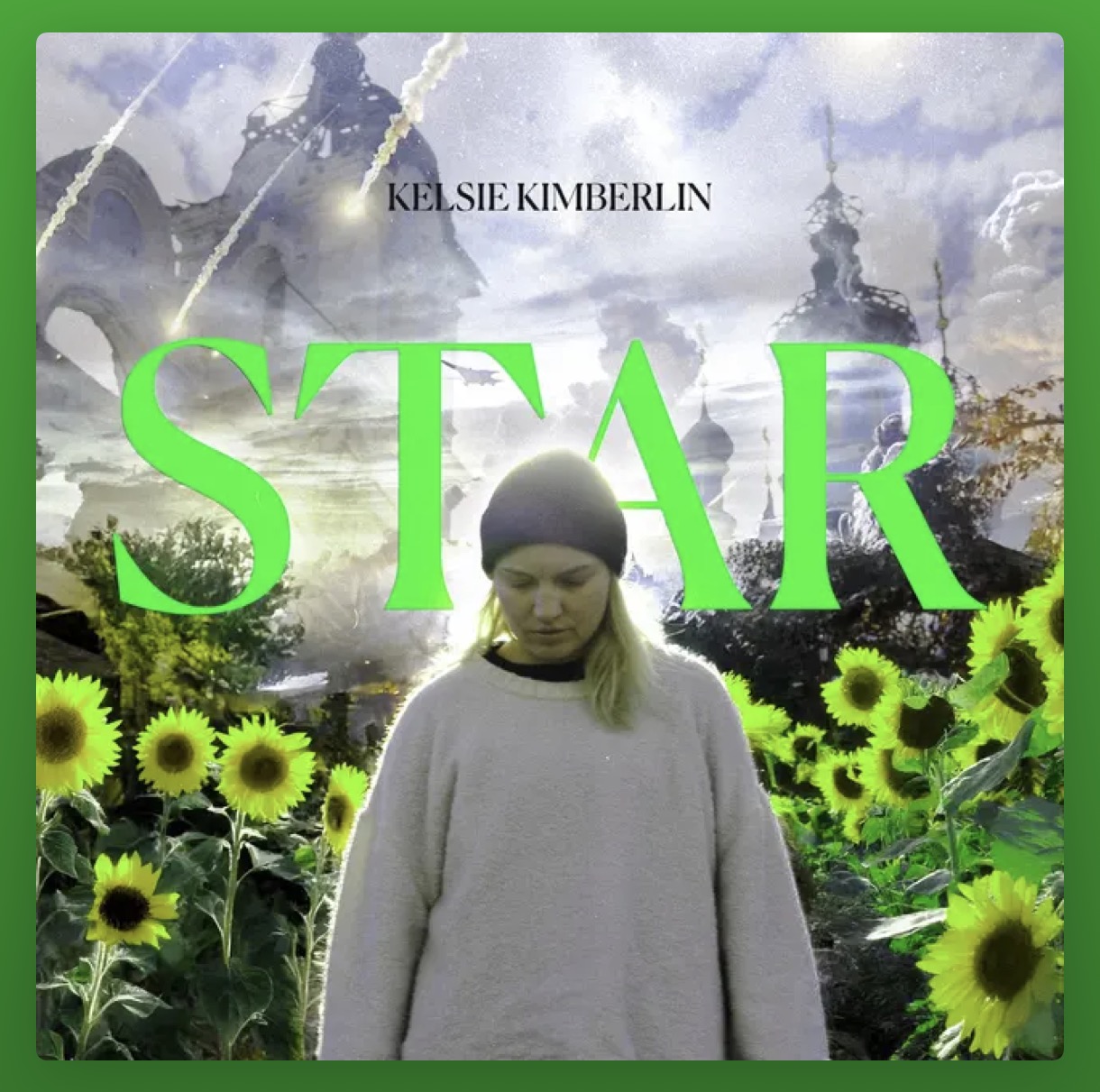
Kelsie Kimberlin’s Star is more than a song accompanied by compelling visuals; it is a deeply personal tribute shaped by grief, remembrance, forgiveness, and the courage of a nation fighting to preserve its identity. Released on October 31, 2026, the official music video arrives as part of her feature-length documentary film, The Last Message, bringing an intensely emotional chapter of her life into sharper focus. The story behind the song is heartbreaking: Kimberlin lost her 21-year-old cousin, Andrii Rachok, who was killed while serving in Ukraine during the Russian invasion. Haunted by the fact that she had not answered his final message, she eventually traveled to Ukraine, determined to visit his grave, confront her grief, and find a sense of forgiveness. That personal journey became the emotional foundation for Star, which has now entered an Oscar campaign for Best Original Song. Rather than presenting the track as a standalone musical release, Kimberlin uses the video to connect her own experience with the wider human story of Ukrainians living through war, making this visual release particularly significant.
One of the video's strongest creative decisions is its use of original footage from The Last Message, allowing the visual narrative to carry the authenticity and emotional weight of a documentary rather than relying on a conventional performance-based music video. The opening scenes take viewers to Izyum, a frontline city in Ukraine, where Kimberlin performs for members of her cousin's military unit, the 3rd Separate Assault Brigade. The performance takes place in front of a building damaged by bombing, an environment that immediately establishes the seriousness of the story. The cinematography moves between Kimberlin's presence in Ukraine, her journey toward the frontline, and moments connected to the making of the song in the recording studio. These transitions create a striking contrast between the devastation of war and the creative process through which she attempts to make sense of personal loss. The visual direction, led by the documentary's real-world footage, gives the video an unfiltered atmosphere. There is no need for elaborate choreography or artificial dramatic staging when the locations, people, and circumstances already carry such extraordinary emotional significance. The result is a visual experience that feels intimate, reflective, and deeply grounded in reality.
Kimberlin's performance is particularly affecting because the emotions behind Star are not separated from the experiences shown on screen. Her connection to the people and places captured in the footage gives the video a sincerity that is difficult to manufacture. The recurring symbolism of the star becomes central to understanding the song's broader message. What begins as a tribute to one young man gradually expands into a recognition of the courage and resilience demonstrated by ordinary Ukrainians, particularly those defending their homes, families, and freedom. The video also carries a sobering human dimension through the appearance of Nikita, a Ukrainian defender from the unit who is shown around the 3:45 mark and was subsequently killed in action in August 2026. Details like this give the footage an additional layer of poignancy, reminding viewers that these are not distant characters in a cinematic narrative but real people whose lives continue to be affected by the conflict. The editing brings together personal memories, frontline encounters, performance footage, and studio moments without losing sight of the central emotional thread. Its strength lies in allowing these images to speak for themselves, creating an atmosphere of remembrance, solidarity, and hope without diminishing the seriousness of the subject.
Star stands as one of the most personal and socially meaningful visual statements in Kelsie Kimberlin's artistic journey. Her background as a singer-songwriter with an extensive catalogue of original music is complemented here by a willingness to place her creative work in direct conversation with real human experiences. The video strengthens the song by giving audiences the context behind its creation, transforming an intimate expression of grief into a wider message about remembrance, courage, and the enduring human spirit. Its connection to The Last Message also demonstrates how music and documentary filmmaking can work together to preserve stories that deserve to be heard beyond the places where they happened. With its Oscar campaign for Best Original Song adding another dimension to its journey, Star deserves attention not simply for the recognition it seeks, but for the deeply human story it carries. This is a music video worth watching with patience and an open heart. It invites audiences to look beyond the performance, understand the people behind the images, and remember that every life represented in its story matters.