JOLLY DANCE
By KAT
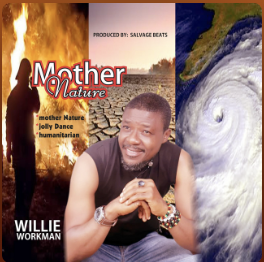
In the ever-evolving landscape of Afrobeat, a genre that continues to push cultural boundaries while staying rooted in African traditions, few artists embody both authenticity and creativity as strongly as Willie Workman. His latest release, Jolly Dance featuring Mama Tee, is not just a song but a celebratory experience that bridges heritage, rhythm, and modern sound. From the very first beat, the listener is ushered into a soundscape where traditional percussion merges with contemporary Afrobeat elements, creating a groove that feels both nostalgic and refreshingly new. At its core, Jolly Dance captures the essence of togetherness, a track built to get people moving while reminding them of the unifying power of African music. The synergy between Willie Workman and Mama Tee is undeniable; their collaboration produces a harmonious blend of soulful vocals, captivating lyrical delivery, and an irresistible beat that makes it nearly impossible not to move along. This isn’t just music for the clubs or parties, it’s music for communities, celebrations, and cultural pride, designed to ignite joy wherever it is played.
What makes Jolly Dance particularly remarkable is the way it pays homage to the roots of Afrobeat while still pushing the genre forward. Willie Workman draws inspiration from legends like Fela Kuti, blending layered instrumentation, traditional African drum patterns, and modern studio finesse. The bassline, groovy yet subtle, provides the backbone of the track, while the percussion drives the rhythm in a way that feels almost ceremonial. The inclusion of traditional beats grounds the listener in Africa’s rich sonic heritage, reminding us of the ancestral connections that Afrobeat has always carried. Yet, Workman’s creative direction ensures the track remains accessible to a global audience. The melody, playful yet commanding, is layered with Mama Tee’s vocals that bring warmth and texture, elevating the song’s energy. Together, they weave a narrative that is celebratory, uplifting, and deeply infectious, a quality that defines the best of Afrobeat music. Unlike generic dance tracks that fade into obscurity, Jolly Dance possesses that rare timeless quality; it feels like a song that could dominate today’s playlists but still be cherished years down the line as a cultural classic.
Beyond the technical artistry, the song resonates because of the personality and vision behind it. Willie Workman is not just another Afrobeat artist; he is a cultural ambassador whose artistry is informed by decades of experience as a musician, filmmaker, and humanitarian. His ability to channel lived experience into music is evident throughout Jolly Dance. His delivery is mature, a confidence that comes from years of shaping music and storytelling, both on stage and behind the scenes. His history of discovering and managing major talents like 2Face Idibia and Blackface of Plantation Boiz adds weight to his artistry, showing that he understands not only the music but the culture and business that sustain it. In Jolly Dance, this understanding is translated into sound; it is not only an invitation to dance but also a statement about resilience, joy, and the enduring spirit of African music. Mama Tee’s contribution cannot be overstated either; her voice brings a soulful dynamism that balances Willie Workman’s energy, turning the track into a true duet of power and celebration. The chemistry between them suggests a shared passion, not just for performance but for uplifting people through music.
On a thematic level, Jolly Dance is a call to unity and celebration. Afrobeat has always thrived on its ability to connect people across divides, whether geographical, generational, or cultural, and this track embodies that philosophy. The title alone, Jolly Dance, conveys an invitation to leave worries behind and embrace joy through movement. For Nigerians and Africans in the diaspora, the song carries a sense of cultural familiarity; for international audiences, it provides a fresh entry point into the Afrobeat soundscape. There is also a universal message in its rhythm: dance as a language of togetherness. This is what makes the track truly global; it doesn’t require translation. The beat speaks for itself, the melody is instantly graspable, and the energy is universally felt. In a music era where many tracks are engineered for fleeting virality, Willie Workman instead crafts a piece that prioritizes authenticity and longevity. That is why Jolly Dance is not just a song of the moment, but a piece of art that reflects the heartbeat of Afrobeat and its ability to stand the test of time.
Jolly Dance is more than just another addition to Willie Workman’s discography; it is a reaffirmation of his artistic legacy and his dedication to creating music that uplifts and inspires. From his early influences by global icons like the Jacksons, Bobby Brown, and Bob Marley to his pivotal role in shaping Nigerian music history with artists like 2Face Idibia, Workman has always been a torchbearer for artistry with meaning. With Jolly Dance, he brings all these experiences into one vibrant package, traditional yet modern, personal yet universal, celebratory yet deeply intentional. Mama Tee’s collaboration only amplifies this impact, proving that great music is often born from synergy and shared vision. In a world where music is often disposable, Willie Workman delivers a track that feels enduring, a reminder that Afrobeat is not just a genre but a living, breathing culture. With its irresistible rhythm, uplifting message, and authentic roots, Jolly Dance stands as one of the year’s most exciting Afrobeat releases and a testament to the power of music to unite, inspire, and keep people dancing in joy.